The email lands at 7:40 on a Tuesday: a company you have an account with says your personal information was exposed. Your first instinct is panic, or closing the tab and hoping it blows over. Neither helps. Most breach notices are real, and the work they require takes about an hour, spread across a single day. Here is the order that matters: confirm the notice is genuine, find out what actually leaked, change the accounts that control everything else, freeze your credit if identity data was involved, and stay alert for the phishing that tends to follow.
Confirm the notice is genuine before you click anything
Real breach notices are boring on purpose. They name the company, give an approximate date for the incident, list the categories of data involved, explain what the company is doing, and tell you what you can do next. They do not ask for payment, and they do not give you four hours to act.
Fake notices imitate real ones, so never click a link in the email. Open a new tab, type the company's address yourself, and look for a security, trust, or news page. Searching the company name plus "data breach notice" usually surfaces the official statement in under a minute. If you find nothing, call customer service using the number printed on your card or statement, not the one in the message.
Treat these as red flags:
- Urgency, especially a deadline measured in hours
- A link that asks you to log in to "verify" your identity
- A fee, gift card, or crypto payment for "identity protection"
- An attachment you were not expecting
- A sender address close to the real domain but not quite it
- Any request for your password, PIN, or one-time code
Work out what actually leaked
Not every breach needs the same response, so read the categories listed in the notice carefully.
- Email addresses and passwords: mostly a reset problem, but urgent if you reused that password elsewhere.
- Card or bank details: call your bank or card issuer and ask whether a replacement card makes sense.
- Identity data: full name, date of birth, government ID numbers, home address, medical details. This is the category that deserves credit freezes and long-term attention.
Save the notice, and screenshot it if it sits behind a login. Note the date, the company, and the data categories. You will want that record if something goes wrong later.
Change passwords in the right order
If the exposed password was reused anywhere, it is now a key that fits several doors. Work in this order:
- Your primary email account. Everything else resets through it.
- Banking, cards, and payment apps.
- Shops, delivery services, and subscriptions that store a card.
- Social and messaging accounts, which scammers use to reach your contacts.
- Everything else, over the next few days.
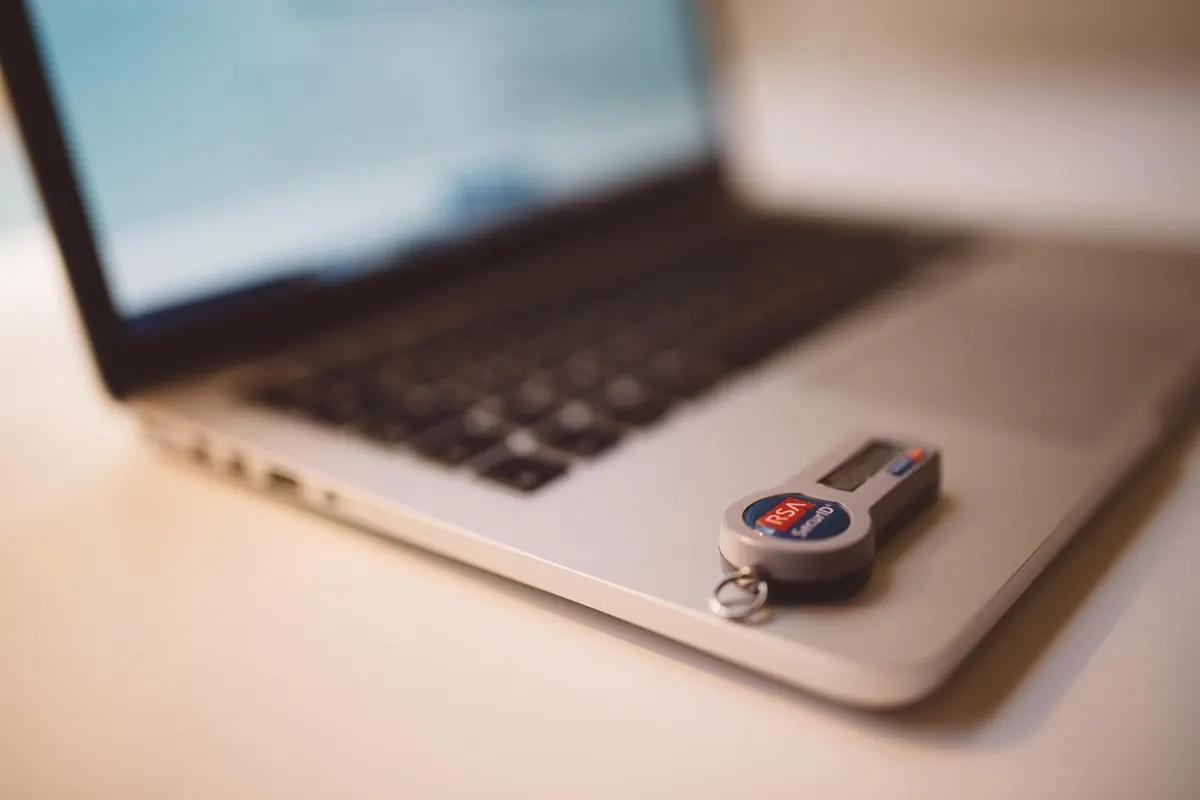
Use a password manager to generate a long, random password for each site, and turn on two-factor authentication wherever it is offered. An authenticator app or a hardware key is stronger than codes sent by text message, though SMS is still better than nothing. Save the recovery codes somewhere offline.
Do not attempt to change forty passwords in one sitting; you will get careless. Fix the top five today and schedule the rest. If that same password also protected a work account, tell your IT or security team now rather than later.
Freeze your credit if identity data was involved
A credit freeze restricts access to your credit file, which stops most lenders from opening new accounts in your name. You lift it temporarily when you apply for credit yourself, and that is the whole inconvenience. In the United States, freezes are free at each of the three major bureaus, and each gives you a PIN or online account to unfreeze later. You have to contact each bureau separately, because they do not share the request automatically. Rules and agency names differ elsewhere, so check with your country's consumer authority.
Freeze, fraud alert, or credit lock?
- A freeze is the strongest option, generally free, and blocks access until you lift it.
- A fraud alert asks lenders to verify your identity before extending credit. Simpler to set up, but weaker.
- A credit lock is a paid bureau product with app controls. The effect is similar to a freeze, which usually costs nothing.
If you are unsure what applies where you live, a consumer protection agency or a lawyer can explain your options.
Expect a second wave of phishing
Stolen data becomes a script. Whoever holds it may know your name, your employer, the last four digits of a card, or a password you used years ago. Weeks after the notice, a message arrives that mentions those details and sounds convincing.
Treat every unexpected message about an account as hostile until you have verified it. Do not use the links or phone numbers inside it; type the address yourself or open your saved bookmark. A one-time code arriving when you did not request one is not a glitch, it means someone is trying to log in, so change that password immediately. If a caller claims to be your bank and recites real details about you, hang up and call the number on your card.
Then warn the people around you. If a relative gets a message that appears to come from you asking for money or a code, they should call you on a number they already have. Set transaction alerts on your cards, and actually read your statements instead of skimming them.
Your first 24 hours, in order
- Save and screenshot the notice, then verify it on the company's own website.
- Change your email password, then your financial accounts. Turn on two-factor authentication.
- Find reused passwords and replace them, starting with accounts that hold money or personal documents.
- If identity data leaked, freeze your credit with each bureau and consider a fraud alert.
- Turn on transaction alerts and review the past few months of statements.
- The next morning, check for suspicious messages and remind family how impersonation works.
You cannot undo the breach. You can make the stolen data far less useful, and that is most of the battle. People who spend an hour on day one usually end up with new passwords, a frozen credit file, and nothing else to show for it. If the exposure involved identity documents, money, or an account you share with someone else, talk to your bank or a consumer adviser before you improvise.
Photo: ha11ok / Pixabay