Black Friday sales now stretch across weeks, and the emails and texts arrive even earlier. So do the fakes. Every year the pattern repeats: a wave of too-good-to-be-true offers lands while shoppers are rushed, tired and clicking fast. Scammers don't need to be clever. They only need you to be in a hurry.
Most of this season's fraud will look boringly familiar: a shop that doesn't exist, a payment method with no way back, a delivery notice for a parcel you never ordered. A handful of habits blocks nearly all of it. Here's what to watch for between now and Christmas, and a checklist you can run in ten minutes.
Why the season suits scammers so well
Holiday shopping concentrates three things fraudsters rely on: volume, urgency and distraction. You buy from shops you've never heard of, because that's where the discounts are. Delivery windows are tight, so a message about a delayed parcel feels plausible. And a lot of buying happens late at night on a phone, with a small screen and one thumb.
There's a fourth factor: advertising. A polished ad on a social platform or a sponsored search result means someone paid to place it, not that the seller was verified. Ads are cheap to buy, easy to clone and often taken down only after complaints pile up. Treat an unfamiliar brand the same way whether you found it in an ad, in an inbox or through a friend's forwarded link.
Fake stores: how to spot a shop that isn't there
Cloned storefronts are the workhorse of seasonal fraud. They copy product photos, descriptions and even logos from real retailers, then advertise prices that undercut everyone. The site usually works well enough to take your money, which is the only part that matters to its owners.
Red flags worth taking seriously:
- Prices far below every other seller, especially on popular electronics and trainers.
- No phone number, no business address, or an address that turns out to be a residential block on a map.
- Checkout that only offers bank transfer, gift cards or cryptocurrency.
- A domain registered very recently — a public WHOIS lookup takes seconds.
- Reviews that all sound the same, or social pages created days ago using stock photos.
- An "About us" page with generic text and no history, policies or returns process.
Before you enter card details anywhere new, search the shop's name together with the word "scam" and see what comes back. Then find the company's registered details independently, not from a link on their own site. If you can't tell who you're buying from, you're not buying from anyone.
Payment safety: keep a way back
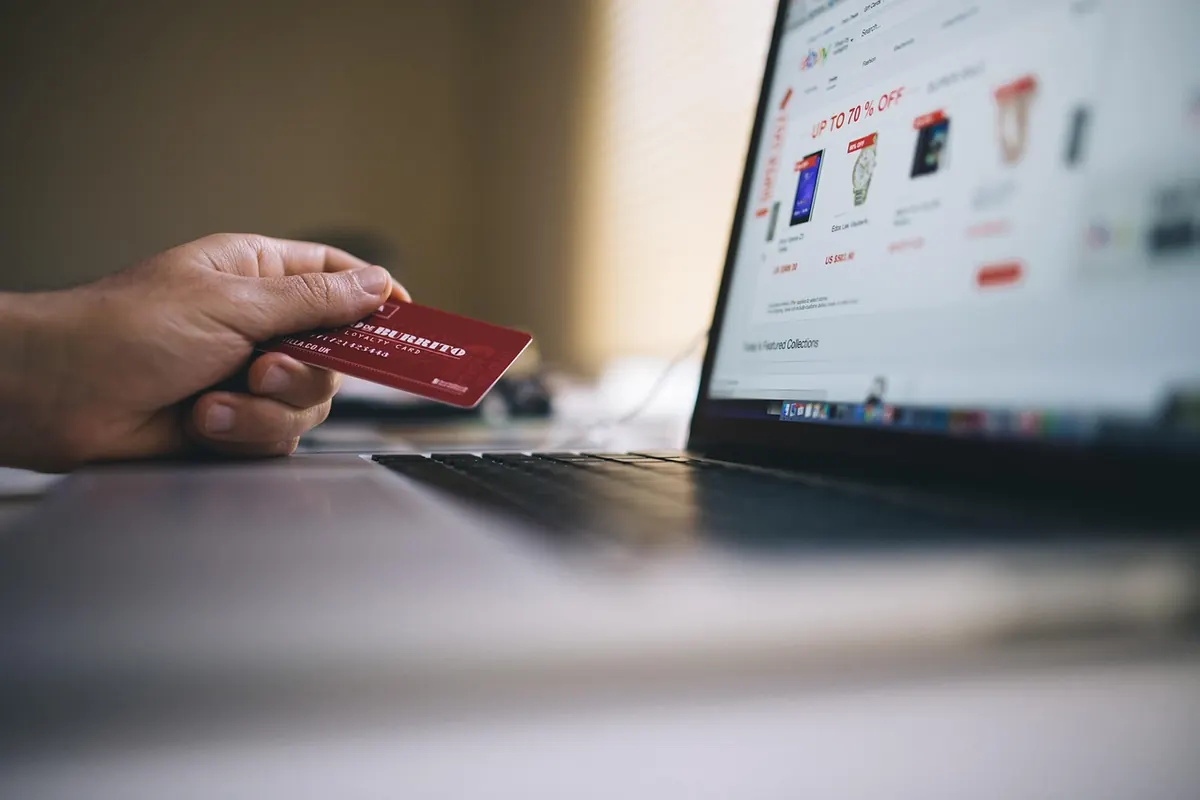
How you pay decides whether you have any real recourse. Card payments generally come with the strongest dispute rights, and in many countries the protection differs between credit and debit. Bank transfers, gift cards and crypto are close to irreversible — which is precisely why fraudsters push for them.
Practical rules that cost nothing:
- Use a card for unfamiliar retailers, never a direct transfer.
- If your bank offers virtual or single-use card numbers, use one. A stolen number is then useless elsewhere.
- Don't let a new site save your card "for next time".
- Check the address bar before typing. Look at the domain, not the design.
- Keep the order confirmation. Screenshot it if it arrives only on screen.
Card rules and refund rights vary by country and by card type, and so do the time limits for raising a dispute. If money is involved and you're unsure where you stand, ask your bank's fraud team directly rather than guessing — and for anything beyond a small amount, consider taking qualified advice.
A deal you can't dispute is not a deal. It's a payment.
Delivery phishing: the parcel that never existed
The other reliable seasonal message is the delivery notice: a text or email claiming a parcel is held, an address is incomplete, or a small customs fee is unpaid. The link leads to a page that looks like a courier's site and asks for card details to release the item. There is no parcel. The fee is the product.
Genuine courier messages normally reference an order or tracking number you recognise, come from a sender you can check, and don't demand payment through a link within hours. If a message surprises you, don't click. Open the retailer's app or type its address yourself and check your order status there. If the order exists, the retailer or carrier will show it. If it doesn't, you've just avoided the whole problem.
One extra caution: a fake "delivery failed" page can also ask you to log in. That's a credential harvest, not a payment scam, and it can hand over your email account rather than just your card.
Turn on account alerts before you need them
Most people discover fraud weeks later, when a statement arrives. Alerts change that. Spend five minutes in your banking and shopping apps today:
- Enable transaction notifications, including small amounts.
- Turn on login and new-device alerts.
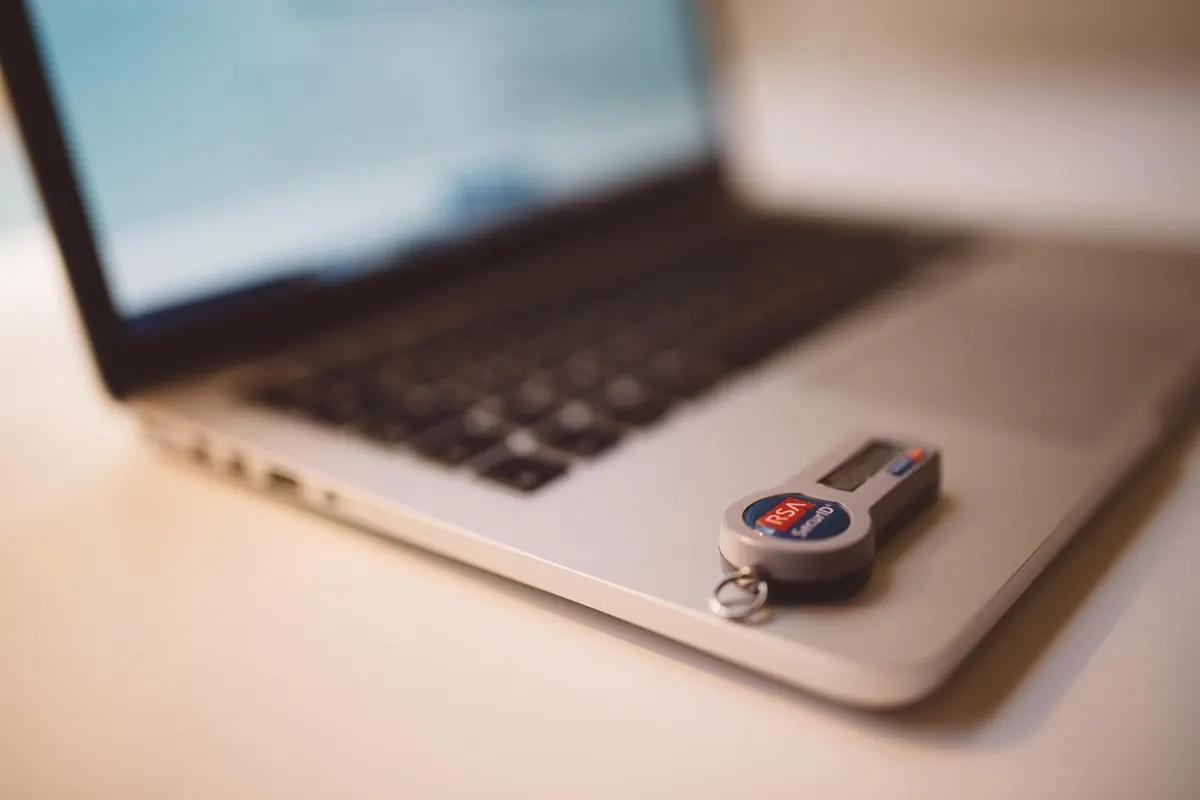
- Switch two-factor authentication to an authenticator app or hardware key where it's offered, rather than SMS.
- Find the "freeze card" button now, so you're not hunting for it in a panic.
- Check the email address and phone number on each account. An old address means you never see the warning.
The ten-minute pre-shopping checklist
- Search any new shop's name plus "scam" before buying.
- Check the domain's age and the company's real address.
- Pay by card, or a virtual card number, for unfamiliar sellers.
- Never enter payment details on a page reached from a text or email link.
- Confirm 2FA and transaction alerts on your main accounts.
- Keep confirmations and tracking numbers in one folder.
- If a seller pressures you to pay quickly by transfer, walk away.
- When something feels off, close the tab. The sale will come round again.
If something goes wrong
Speed matters more than embarrassment. Contact your bank immediately, freeze the card in the app, and report the transaction as unauthorised. Change the password on any account you entered, and anywhere you reused that password — then set up alerts you skipped earlier. Report the fake shop or message to your country's national fraud reporting service and to the platform that hosted the ad, so the next shopper gets a warning.
Keep everything: screenshots, emails, order numbers, the dates you called. If a significant sum is involved, or if you're unsure whether you're liable, speak to your bank's fraud team and, where it matters, to a qualified professional. Then get back to the parts of December worth enjoying. The habits above take seconds, and they leave the deals — the real ones — entirely intact.
Photo: StockSnap / Pixabay